Changing Fortunes
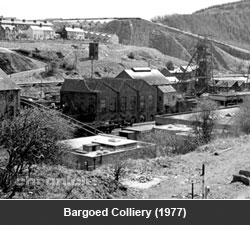
So great was the impact of the Industrial Revolution on Caerphilly county borough, that its collapse proved devastating. The first signs of decline had already appeared by the end of the nineteenth century, with the demise of the inland iron and steel industry. The Rhymney Ironworks, Rhymney, closed in 1890. By the early twentieth century, there were signs that the coal industry too was in decline. The industry had been knocked by a number of factors and the profitability of the pits had dropped. The First World War temporarily halted this, only for the situation to worsen still further during the interwar years. As coal prices dropped, so did wages and industrial unrest was rife. Glamorgan was now the most strike prone county in Britain. As the Depression took hold, unemployment across Glamorgan and Monmouthshire hit forty two percent. With few other industries to fall back on the situation was desperate. Again it would take a World War to bring relief, although as before this would bring new horrors. The nationalisation of the industry in 1947 again staved off collapse. However, one by one the county borough's collieries closed. In 1991 Penallta Colliery shut, signalling the end of deep mining in the county borough.
Beyond this the old gentry estates were being broken up and the country houses abandoned. Ruperra Castle enjoyed a short renaissance from 1909 to the 1930s. However, by 1935 its contents had been sold and the house lay deserted. For those in service like the gamekeepers, gardeners and cooks, this spelt the end of an era. In 1941 Ruperra was requisitioned by the Government and soon after it was gutted by fire. Like so many gentry estates across Wales, its land and property was then sold off.
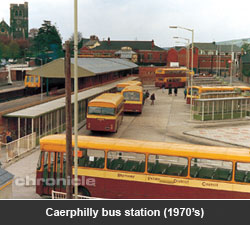
The recent past has not all been doom and gloom. From 1870 a series of acts led to education for all and schools became a common feature of most towns and villages. Health care too became readily available after the creation of the National Health Service in 1948. Hospitals like Caerphilly Miners' Hospital were taken into national care and no longer relied directly upon contributions from workers. New 'picture palaces' and cinemas opened in many towns and provided much needed escapism. Modern inventions such as the wirelesss and later television, brought entertainment into the home. Such inventions were often powered by electricity and this became available from the late 1920s. Motorised transport brought new mobility. After the Second World War cars, buses and lorries became an ever-increasing sight on the county borough's growing road network. New industries too were coming on the scene.
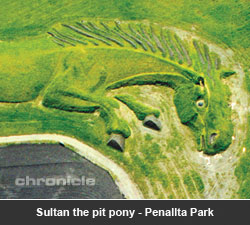
By 1974 the old counties of Glamorgan and Monmouthshire had disappeared. The area covered by the county borough now fell within Mid Glamorgan and Gwent, with the River Rhymney dividing the two. In 1996, the administrative structure of Wales changed again and Caerphilly county borough was born. Nationally the debate on devolution was growing and in 1997 the people of Wales finally voted yes to devolution and in 1998 the National Assembly for Wales was born. Across the county borough today there are new signs of hope and opportunity. Where ruined collieries once stood there are now state-of-the-art business centres and country parks. Along the routes of long-deserted railways, cycleways now pass. This is Caerphilly county borough today, who knows what the this millennium may bring?
Image date: unknown
Location: unknown
Submitted by: unknown
Do you have any stories, images and interesting facts relating to this picture. Help Chronicle build a website of your Caerphilly County Borough memories. Email the webmaster telling us as much as you can about your pictures. Thank you
Description: